Olivia Wilburn Facilitates Workshop on Socio-Technical Thinking at the Colorado WASH Symposium
By: Olivia Wilburn, PhD Student
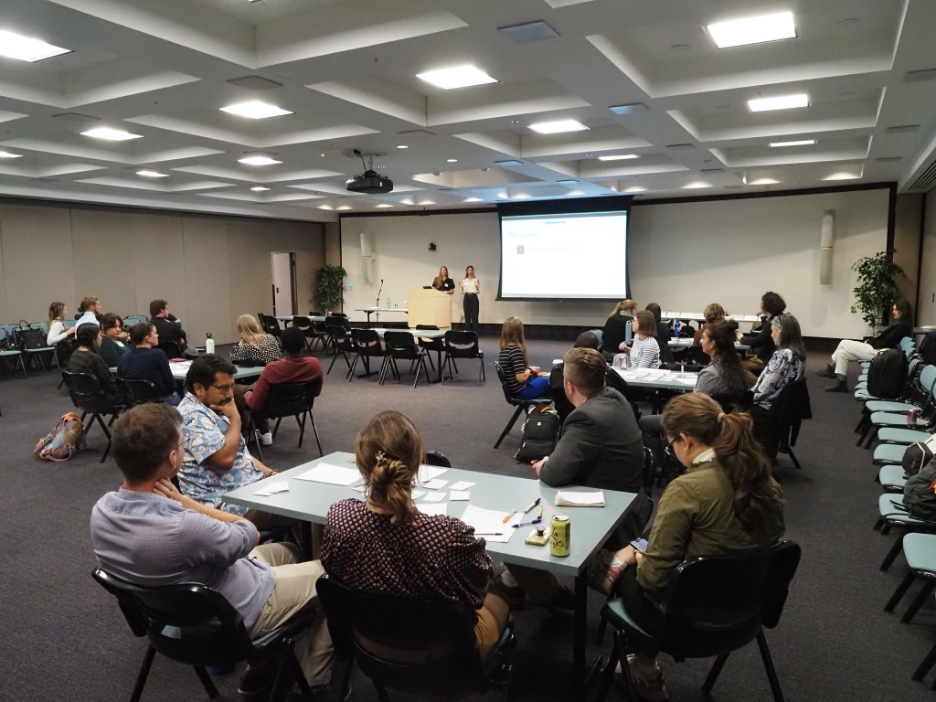
At the Colorado WASH Symposium, I co-facilitated a workshop to encourage students and practitioners to consider broader contextual factors in their decision-making processes. Partnering with Taylor Ericson from the Colorado School of Mines, our workshop was well attended and participants were highly engaged and reflective. The success of the workshop wouldn't have been possible without the intentional commitment and buy-in from everyone there. A huge thanks to the Mortenson Center in Global Engineering & Resilience for hosting the conference, Grace Burleson for initial tools and resources to support the workshop, and Taylor Ericson for reaching out to collaborate. It was so much fun to work together and see our similar research findings come together to create something special.
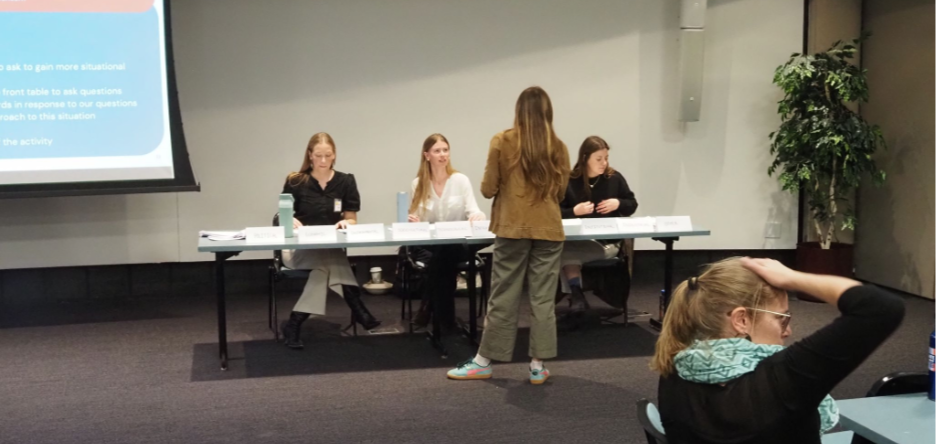
Workshop: “Integrating Socio-Technical Thinking into Engineering Projects”
Workshop Abstract: Global responsibility in engineering involves critical reflection on the role of technology in society, acknowledging the social, political, and economic impact of engineering decisions and the inherent sociotechnical nature of engineering projects.The pursuit of socially just humanitarian engineering requires engineers who understand these critical considerations. This workshop explores findings from two separate 4-week programs focused on engineering students’ experiences. Data from the field sessions include pre and post-program interviews and ethnographic observations. Preliminary analysis uncovered multiple factors, including immersing with local communities, workshops, and integrating social science techniques can influence change in perspective and understanding of responsibility in humanitarian engineering contexts. Further analysis demonstrated that spending significant time with community partners allows for a deeper understanding of complexities within social groups and aids students in project identification and approach. For this workshop, we will conduct an activity that elaborates upon these findings, and supports educators or program designers in the creation of future projects/courses that confront injustices in WASH projects. This workshop will provide a window for engineering educators to support students’ ongoing efforts to overcome divisions between the social and technical dimensions of their work and to integrate global responsibility more effectively into engineering education, especially in support of broader sustainability and social justice goals.